The Opposite of a Sandwich

When we enter the world of Maurice Sendak, Fred Rogers, Roald Dahl, Mo Willams, or the geniuses who write and produce Bluey, we know instinctively that we are in the hands of special people.  

They have clearly cultivated a special attentiveness to children and then create a world rooted in this tender perception that invites all to rejoice in a child’s way of proceeding.

Our boys have stumbled upon another writer with this same gift.

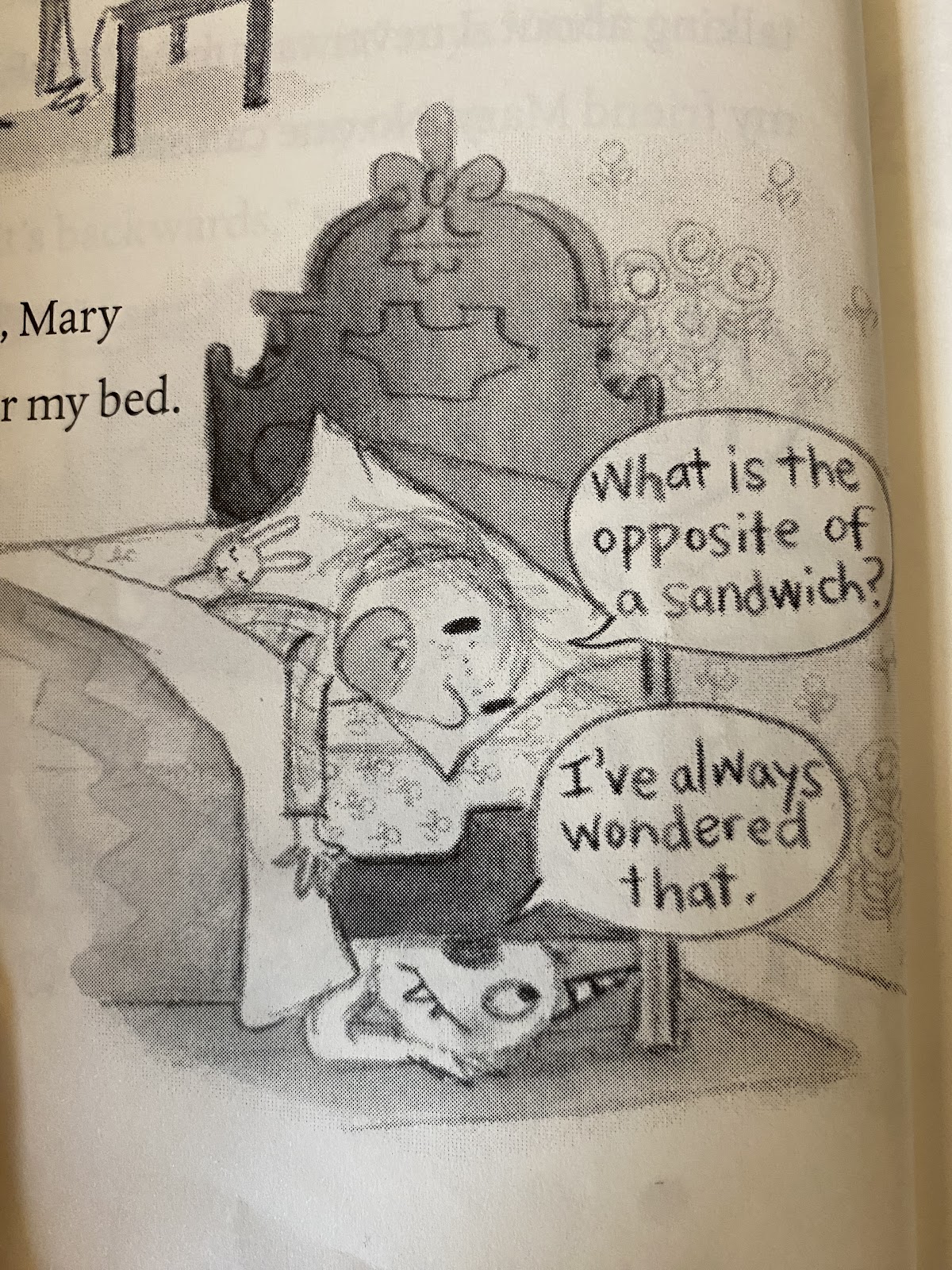
Abby Hanlon’s Dory Fantasmagory is a delight for all comers, especially sassy younger children who may feel a little left behind by older siblings.

The fifth book in the series is our favorite, but we are re-reading them all to make sure.

The Value of Discomfort

The most valuable things reside on the other side of discomfort.

The vulnerability of commitment.

Sharing something that is deeply important to us with another.

Taking the first awkward steps to learn a new skill set.

Sitting in quiet non-judgemental awareness with one’s own mind.

These moments can be quite uncomfortable… but if we are able to see this discomfort as something enormously valuable, then we are able to grow.

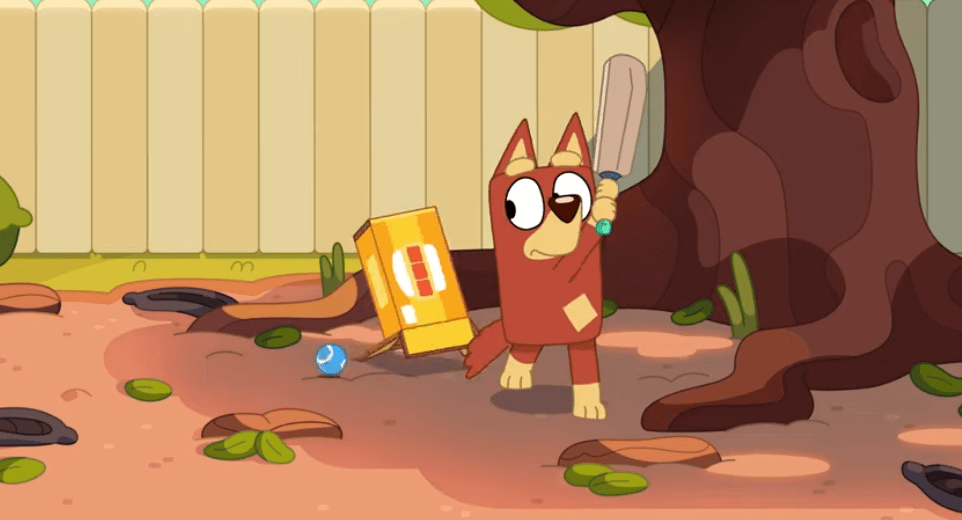
(See also, our buddy Rusty in “Cricket”.)

Rusty knows the secret of how to carry a challenge as a gift.

Light for Our Feet

One night some years ago, when I was living in Uganda, I was walking home alone.

There was no moon, and when the power went out (there was frequent load shedding) I was about a quarter mile from home.  It was completely dark.  I could not see a thing.

Or so I thought at first.  But standing there, after my eyes adjusted, I realized that I could see just a tiny bit, enough to move a little bit closer to home with each small step. Sure, I ran into a few bushes, but I did arrive safely.

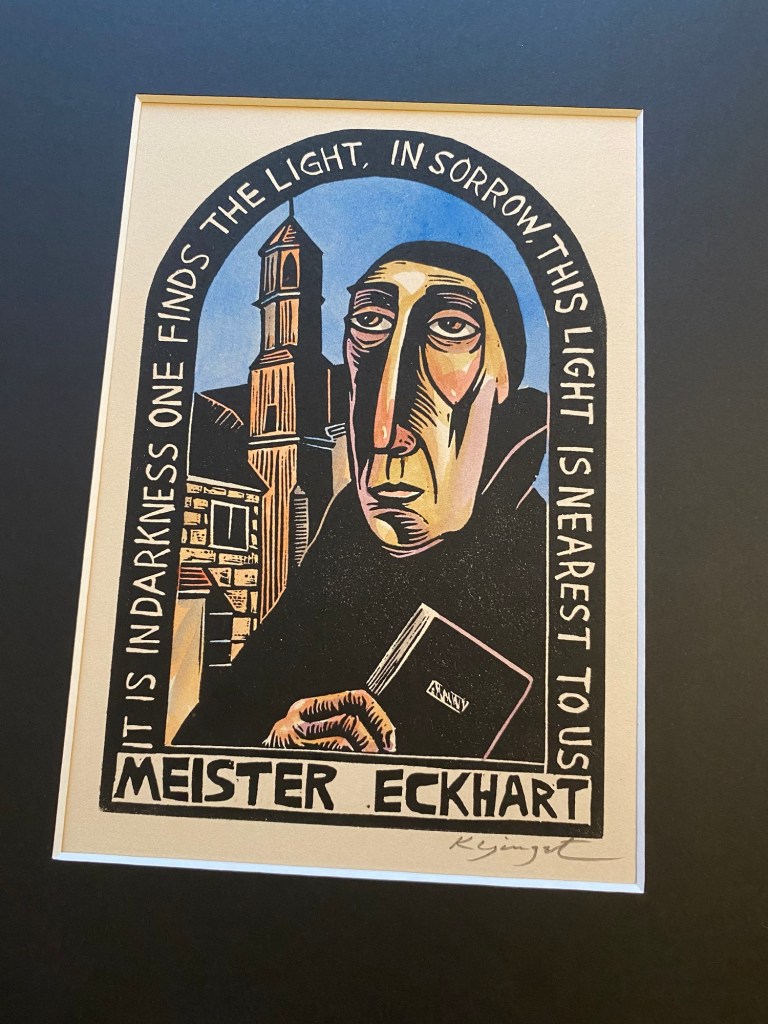
When navigating life’s challenges, it can get pretty dark.  Even so, we typically have enough clarity for the very next step.  We usually have enough light for our feet.

(Also, this, from Meister Eckhart…)

The artist who made this is @psalmprayers on Instagram.

Seeing From the Inside

Last week, I watched a Broadway production of Our Town.  (It’s delightful, and free on YouTube.)  

It was my first exposure to Wilder’s play, and it was wonderful, on multiple levels.  

One of the main themes (it seems to me) is that it is a true challenge to see the wonder of one’s life from the inside of that life, in real time, as we live it.  

There are many reasons why this could be true: the uncharitable noise inside one’s head, daily demands, anxiety or false imaginings about the about the future… it is no surprise that the wonder of the present life gets out of focus. 

But in Our Town, Thornton Wilder arranges for us the conditions to see the simple beauty of his characters’ lives from the outside, which allows us to return to our our own lives with greater wonder and clarity.

The Impermanence of Ability

Our bodies enable us to do remarkable things.  None of these abilities is permanent.

Clarity of thought.

Strength of sight.

Dexterity and balance.

Durability of concentration and memory.

Strength of muscles, joints, bones.

In my longevity’s best case scenario, I will live long enough to experience the decline of these things.

Given this, to what will I dedicate my days?

Sandra Boynton and the Necessity of Birthday Cakes

Our younger son just turned five, so we do not reach for the Sandra Boynton volumes much these days.

Still, I often recall my indebted to Ms. Boynton’s work, especially for this gem of an essay published in 2021, around a year into the pandemic.

I find it, as a parent (and especially as a parent who can sometimes undervalue a thing like a birthday cake), to be an essential reorientation around “what is essential.” 

So, parents, thanks for the work that you do, especially in the provisioning of light-heartedness in the life of your littles.

The Tent

Last Saturday morning, our sons wondered: Where was our camping tent?  Could we put it up in the attic to play in?

A bit of context on this tent.  

Once described by a friend as “the condominium,” this tent is wildly fun.  It is a beautifully crafted, with shockingly large dimensions for how sturdy it is… one of those feats of elegant engineering that makes you proud to be a human being.  We stalked the delivery truck for days when it was on its way.

Here is a low quality yet illustrative photo of its dimensions and the Duplo village inside.

And, when we put it up in last weekend, I realized it had been nearly three years since we had used it.  Three years!  What?!  How did that happen?!

I often forget things like this… and also things more fundamental… those resources and realities that, when acknowledged and engaged, lead to an abundant, grounded life.

In other words, what we need is here.

Reading “Brave Spelling”

Last week, I wrote about “brave spelling,” the approach that encourages literacy students, as they learn to write, to sound out a word and spell it as best they can, allowing them to compose fluently albeit imperfectly.

Like this:

There are penguins!

I am finding that, as a grown-up, reading “brave spelling” is a formative and worthy exercise.  Here is the work that it is achieving in me. 

I read more slowly.  You just can’t read brave spelling that fast.  You have to slow down and consider the child and what they are actually saying.  This is good.  It breaks me out of the habit of considering a text (or a child) habitually and more quickly than they deserve.  

I read with tenderness and and a sense of play.  Read that penguin example again, and you’ll feel what I mean.  Right?  Ruthlessly cute.  Considering a child with tenderness and a sense of play is a good place to engage.

I suspend evaluation and to compulsion to correct.  When first considering a bravely spelled text, the emphasis is 100% on understanding.  This breaks my tendency to evaluate and correct.  

Our son’s teacher told us that if you do correct, only correct one word per text… but mostly just appreciate the child’s communication. The correct spelling will come.  So if I do give feedback, it is occasional and well-discerned.  

And I read with a sense of awe.  I have no idea how he is becoming literate – but he is, and quickly.

We can learn lots by accompanying someone who is learning.